
Reuse Technology Group
Responsible E-Waste Recycling for Business IT Equipment
Securely recycle end-of-life technology with compliant handling, transparent reporting, and a reuse-first approach.
Existing client? Client Login Portal →
Assets collected
1,248
Data sanitised
982
Buyback value
£18k
CO₂e saved
42t
Established
2008
Certification
ADISA 8.0
Coverage
UK · EU · WW
Response
24–72h
Reuse Before Recycling
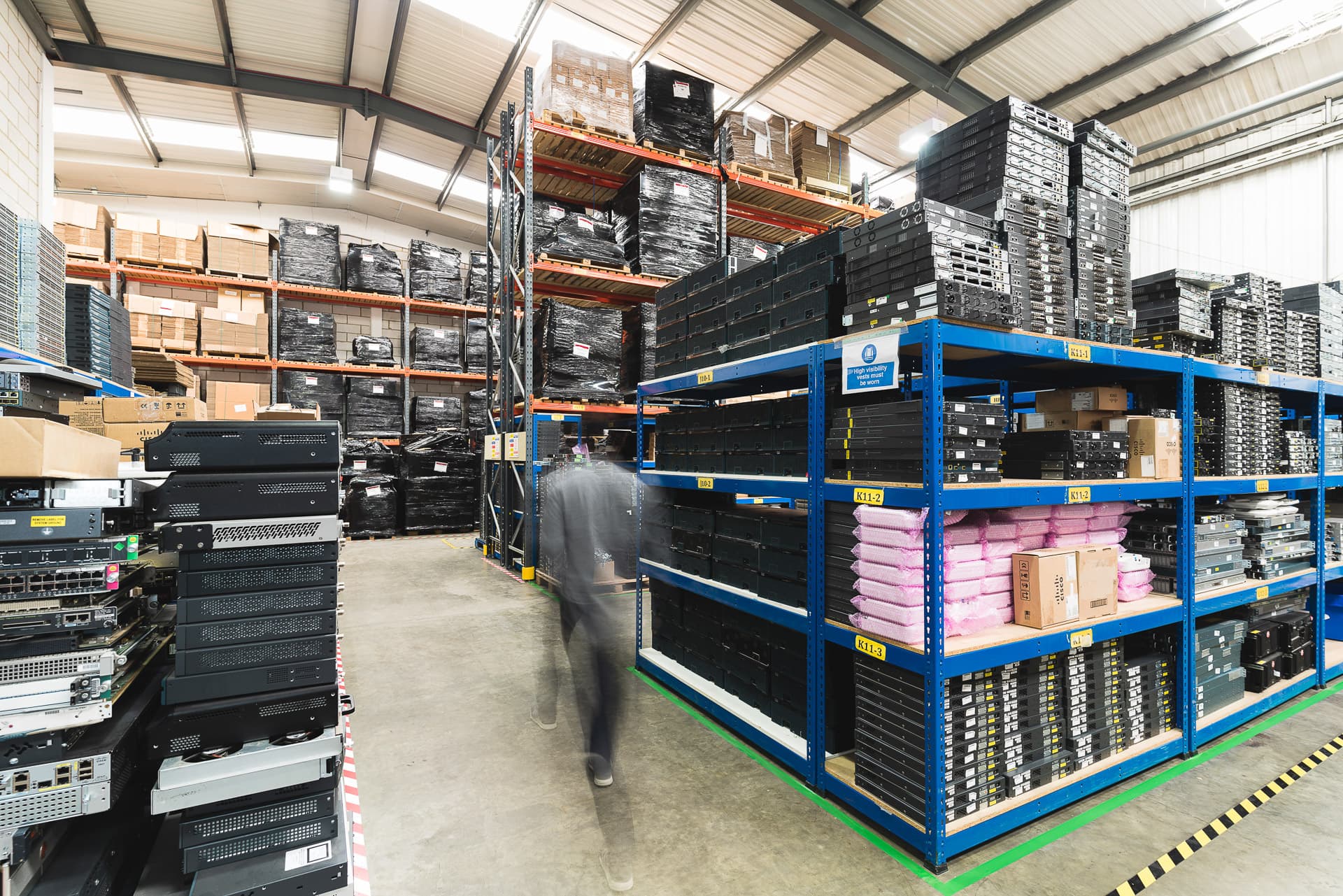
Recycling is the last resort, not the default. Every asset that arrives is tested and graded first, because a device that can be redeployed or resold delivers far more environmental benefit than the same device broken down for materials — recycling recovers a fraction of the value and none of the embodied carbon that went into manufacturing it. Only when reuse is genuinely not viable does an asset enter the recycling stream. Both outcomes are reported separately so you can see the split rather than a single combined figure.
Material Streams
Precious Metals
Recovery from circuit boards, contacts, and connectors.
Plastics & Metals
Segregated processing for environmental compliance and material quality.
Batteries
Specialist handling for lithium and portable batteries under separate controls.
Screens & Displays
Controlled handling for monitors, panels, and backlighting components.
WEEE Obligations Explained
Waste Electrical and Electronic Equipment regulations place duties on UK businesses disposing of electronic equipment, including the requirement to use authorised routes and retain evidence that waste was handled correctly. Business WEEE differs from household WEEE: as the producer of the waste you carry a duty of care, and handing equipment to an unauthorised collector does not transfer it. That is the exposure behind free collection offers — the cost saved at the kerbside reappears as an unevidenced disposal you cannot account for later.
Recycling Is Not a Security Exemption
Equipment destined for recycling frequently still contains data. Drives inside dead servers, memory in multifunction printers, and storage in devices written off as broken all remain readable to anyone with recovery tools, and a device being physically damaged is not the same as its data being destroyed. Assets entering our recycling stream are processed under the same chain-of-custody and data destruction controls as assets entering resale, and receive the same certificate evidence.
Environmental Compliance
We are Environment Agency registered and operate a zero-to-landfill policy, with environmental management under ISO 14001. Every project produces documentation covering WEEE obligations and corporate sustainability reporting: weights by material stream, diversion figures, and the disposition route taken for each asset. The paperwork is designed to satisfy a duty-of-care audit without further explanation from us.
Frequently Asked Questions
Is recycling different from ITAD?
What does zero to landfill actually mean?
Do we get documentation for recycled assets?
Are free recycling offers safe?
How are batteries handled?
Ready to start your Responsible project?
Speak with Reuse Technology Group about secure collection, certified data destruction, asset recovery, and sustainability reporting for your organisation.
Prefer to speak first? Book a consultation · 01708 558 297
GDPR-aware processes · Auditable reporting · Responsible recycling